
Introduction
High blood pressure, also called hypertension, is a common health problem. It can lead to heart disease, stroke, and kidney issues if not managed well. Many people want to know how to manage high blood pressure naturally and effectively. Thankfully, simple lifestyle changes can make a big difference. In this blog, you will learn about natural ways to control blood pressure and keep your heart healthy.
What is High Blood Pressure?
High blood pressure happens when the force of blood against your artery walls is too high. Over time, this can damage your blood vessels. Doctors often call it the “silent killer” because you may not notice any symptoms. However, it can still harm your body. Blood pressure is measured in millimeters of mercury (mm Hg). A normal reading is below 120/80 mm Hg. If your numbers are higher, you may have high blood pressure.
Common Symptoms and Risks
Usually, high blood pressure does not cause clear symptoms. Still, some people may notice:
Even without symptoms, high blood pressure can increase your risk of:
Because of these risks, it is important to manage your blood pressure every day.
Natural Ways to Manage High Blood Pressure
There are many natural ways to lower blood pressure. These methods are safe and can be very effective. Let’s look at some key steps you can take.
Diet and Nutrition Tips
First, what you eat plays a big role in blood pressure control. Try these tips:
The DASH diet (Dietary Approaches to Stop Hypertension) is a proven plan that helps many people lower their blood pressure. According to the CDC, following a healthy diet can reduce your risk of heart problems.
Exercise and Physical Activity
Next, regular exercise is very helpful. Even simple activities can make a big difference. For example:
Staying active helps your heart pump better and lowers your blood pressure over time. The World Health Organization suggests at least 150 minutes of moderate exercise each week.
Stress Management Techniques
Stress can raise your blood pressure. However, you can learn to manage it. Try these methods:
Over time, these habits can help keep your blood pressure in check.
Limiting Salt and Alcohol Intake
Too much salt and alcohol can increase blood pressure. Therefore, it is important to:
Even small changes can have a big impact on your health.
Weight Management
Being overweight puts extra strain on your heart. Losing even a few pounds can help lower your blood pressure. For best results:
According to the CDC, weight loss is one of the most effective ways to manage high blood pressure naturally.
Home Monitoring and Lifestyle Habits
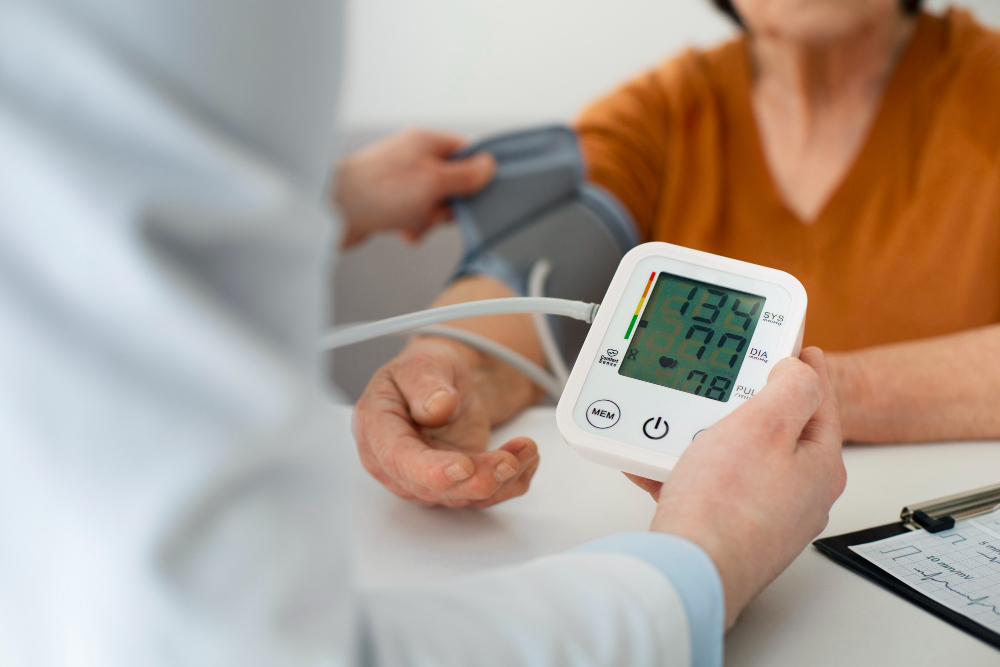
Finally, keeping track of your blood pressure at home is very useful. You can use a home monitor to check your numbers. Also, try to:
These habits support your overall health and help you manage blood pressure better.
When to Seek Medical Help
Sometimes, natural methods are not enough. If your blood pressure stays high, or if you have symptoms like chest pain, severe headache, or trouble breathing, seek medical help right away. Your doctor can check for other health problems and may suggest medicine if needed. Always follow your doctor’s advice for the best results.
Prevention Tips
Preventing high blood pressure is easier than treating it. You can:
By making these changes, you can protect your heart and live a healthier life.
“Consult a healthcare professional at Spandan Hospital for personalized advice on managing high blood pressure. With the right guidance and treatment, you can take control of your health and reduce the risks associated with hypertension.”