
Introduction
The CBC Test, or complete blood count test, is a common blood test. It checks your overall health and can find many conditions early. Because it looks at different parts of your blood, the CBC Test gives important clues about your body. For example, it can help spot infections, anemia, and other health issues. Understanding your CBC test results meaning can help you take better care of your health. In this blog, you will learn what a CBC test is, why it matters, and how to prepare for it.
What is a CBC Test?
A CBC Test, also called a complete blood count test, measures different parts of your blood. It checks red blood cells, white blood cells, and platelets. Each part has a special job in your body. For instance, red blood cells carry oxygen, while white blood cells fight infection. Platelets help your blood clot. Because the CBC Test looks at all these, it gives a full picture of your blood health.
Why is a CBC Test Done?
Doctors often order a CBC Test for many reasons. Sometimes, it is part of a regular checkup. Other times, it helps find the cause of symptoms like tiredness, weakness, or fever. In addition, a CBC Test can monitor certain health problems or check how well treatments are working. For example, people with chronic illnesses may need regular CBC tests. This helps doctors track changes and adjust care as needed.
Key Components Measured in a CBC Test
The CBC Test measures several important parts of your blood. Here are the main components:
Each part tells your doctor something different about your health. For example, low red blood cells may mean anemia. High white blood cells can signal infection.
What Do the Results Mean?
After your CBC Test, you will get a report with numbers for each blood part. But what does a CBC test detect? Here is what some results may mean:
However, only a doctor can explain your CBC test results meaning in detail. Sometimes, results outside the normal range are not serious. Your doctor will look at your health history and symptoms, too.
Common Conditions Detected by CBC
Because the CBC Test checks many blood parts, it can help find several health problems. Some common conditions include:
Early detection can help you get the right treatment sooner. That is why doctors often use the CBC Test as a first step.
How to Prepare for a CBC Test
Usually, you do not need special steps for CBC test preparation. However, here are some tips:
Because some medicines can affect results, always share your full medical history with your doctor.
What to Expect During and After the Test
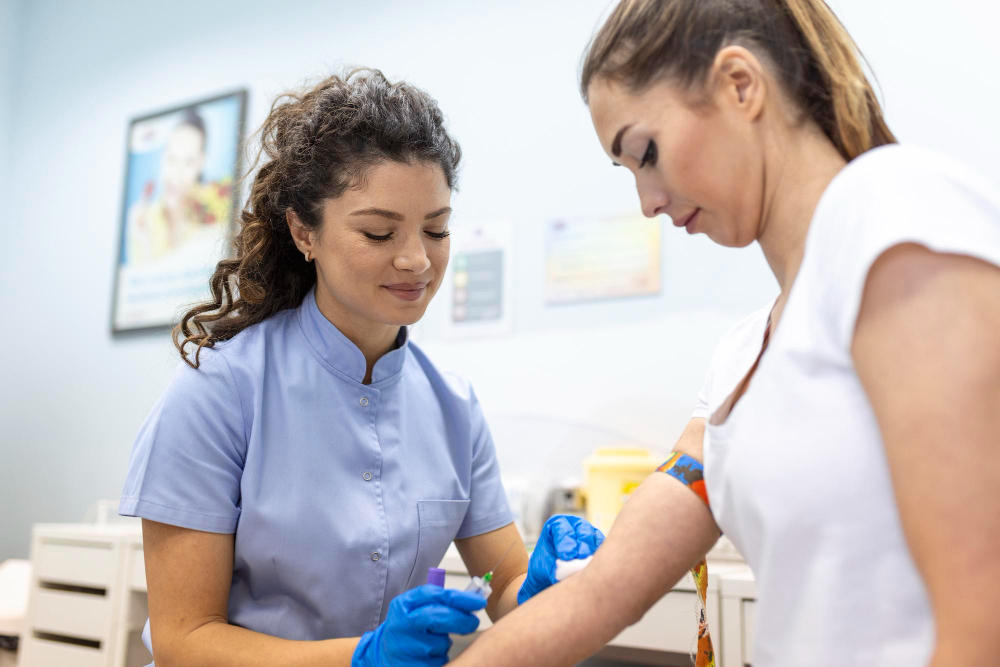
During a CBC Test, a nurse or technician will draw a small amount of blood from your arm. The process usually takes just a few minutes. You may feel a quick pinch, but it is not very painful. After the test, you can go back to your normal activities. Sometimes, you might have a small bruise or soreness where the needle went in. However, these side effects go away quickly. Your doctor will contact you with the results and explain what they mean.
When to Consult a Doctor
After you get your CBC test results, it is important to talk to your doctor. Even if your results are normal, you may still have questions. If your results are outside the normal range, your doctor will explain what they mean. Sometimes, you may need more tests or treatment. Always ask your doctor if you notice new symptoms like tiredness, fever, or easy bruising. Early advice can help prevent serious problems.
Conclusion
In summary, the CBC Test is a simple but powerful tool for checking your health. Because it looks at many parts of your blood, it can help find problems early. If you have questions about your CBC test results or what a CBC test detects, consult a healthcare provider at Arnav Diagnostic Center for personalized advice about your CBC test results.